
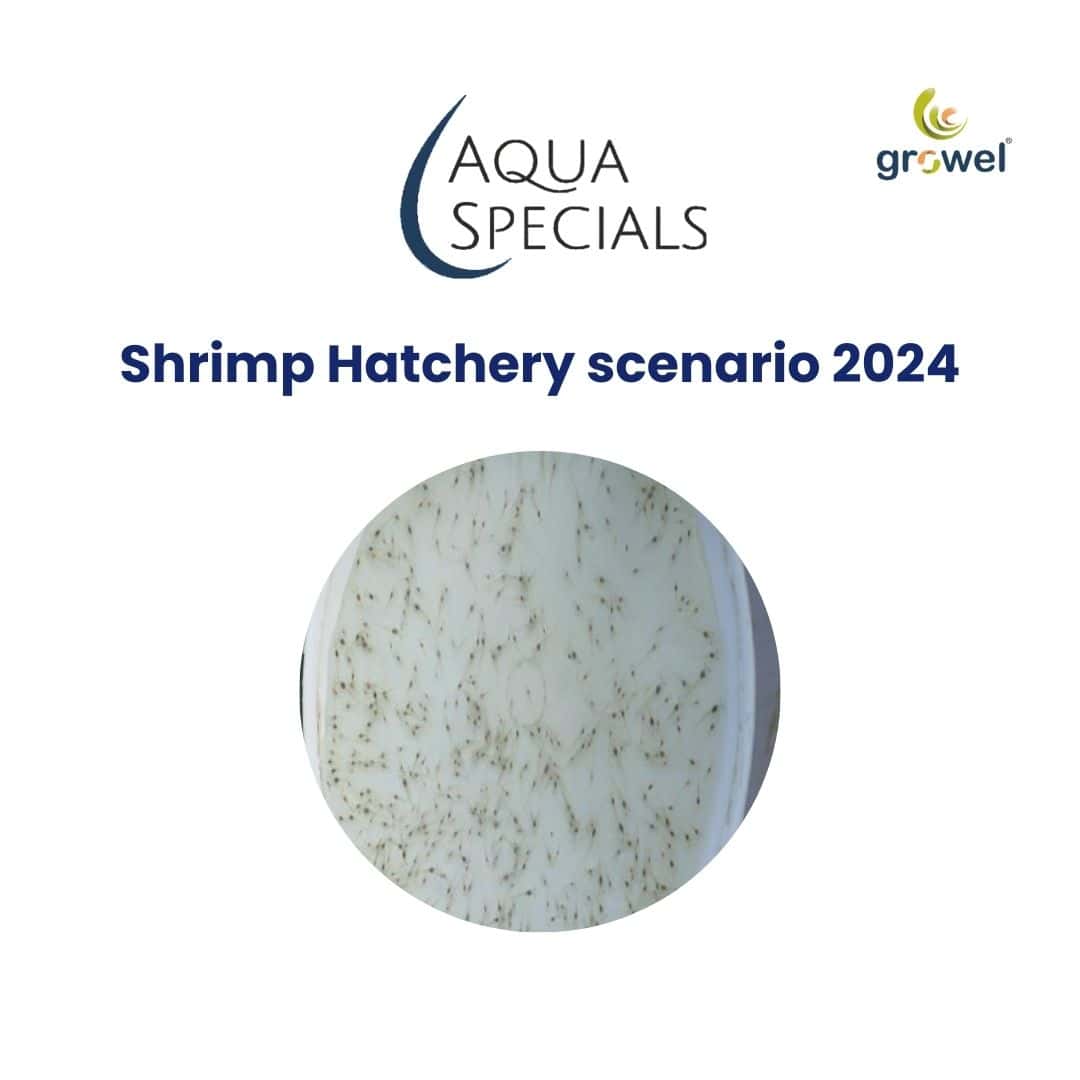
The hatcheries have been bearing the brunt of low prices and decreased demand throughout 2023, adversely impacting production in the shrimp hatcheries.
The Key players in the Shrimp Hatchery Industry have been very vocal about their thoughts, strategies and solutions to improve the current scenario this year.
Mr Geert Rombaut, PM of Artemia and Live Feed at Inve Aquaculture reiterated that Hatchery producers are consistently challenged by the fluctuation in market prices and factors such as supply, demand, economic feasibility and competition that can impact the profit margins of the hatchery farmers.
Sy Aqua Commercial team has opined that amidst these grappling times for hatcheries they are either producing at a cost more or equal to the shrimp market prices.
This situation demands that the hatcheries shift their strategies and focus on building up their loyal customers or farmers who can adopt a selective stocking approach to help and support each other to stay afloat.
Selective stocking ensures to avoid stocking during the challenging period post monsoon from Sept- Dec. The hatchery team must meticulously plan and manage production especially in the early stages of larval development to minimise the risk of losses due to production issues. This includes water quality management, maintaining disease free environments as well as using superior quality and highly digestible feeds.
In India there is a shift seen to farm P. monodon by some farmers as it is an option with no complications especially in the peak culture period. Some farmers are opting for improved genetics and balanced lines with plans to harvest larger shrimps at 15 – 25 counts which could be a strategy aimed at profitability according to Sy Aqua Team
According to Mr Melony Sellars, CEO of Genics, this shift to P. monodon by the Indian farmers who have considerable experience and knowledge about the farming of the species prior to vannamei will be an advantage.
The best producers will prioritise best practices in their production environment by using high quality feeds as well as efficient feeding using auto feeders, reducing the FCR through feasible stocking and population management. Apart from this, hatcheries are focusing on reducing their cost of production as shrimp prices remain at an all-time low. Hatcheries are extremely cautious on managing their brood stock expenses owing to this trend according to Sy Aqua team.
High feed prices is directly proportional to the increase in prices of feed
ingredients like fish meal, fish oil and soy lecithin. This is a major challenge in the regulation of prices in feed management. The research is ongoing and many success stories are emerging on usage of alternatives to traditional protein sources in feed formulations.
The feed prices will remain steady and not likely to decrease in 2024 unless there is a recovery of fishmeal pricing. The feed millers are expected to navigate these challenges by taking cost effectiveness and feed quality hand in hand.
The challenging times always paves way to better strategies. Many Industry stalwarts think of this as a golden opportunity to reassess their strategies and selections. The inevitable crop holiday around the globe has paved way for better sanitary measures, improved hygiene coupled with strict bio security protocols that can minimise disease outbreaks and reduce pathogen loads in the system. This could very well result in improved production performances thus ensuring a successful crop in 2024.
Blogger:
Dr. Sathish Prasad
Senior Scientist – Aquatic Animal Health
Growel Innovation Center,
RS NO.57, Chevuru Village, Sriharipuram Panchayat, Mudinepalli Mandal, Krishna District – Andhra Pradesh India – 521329
Email: [email protected]